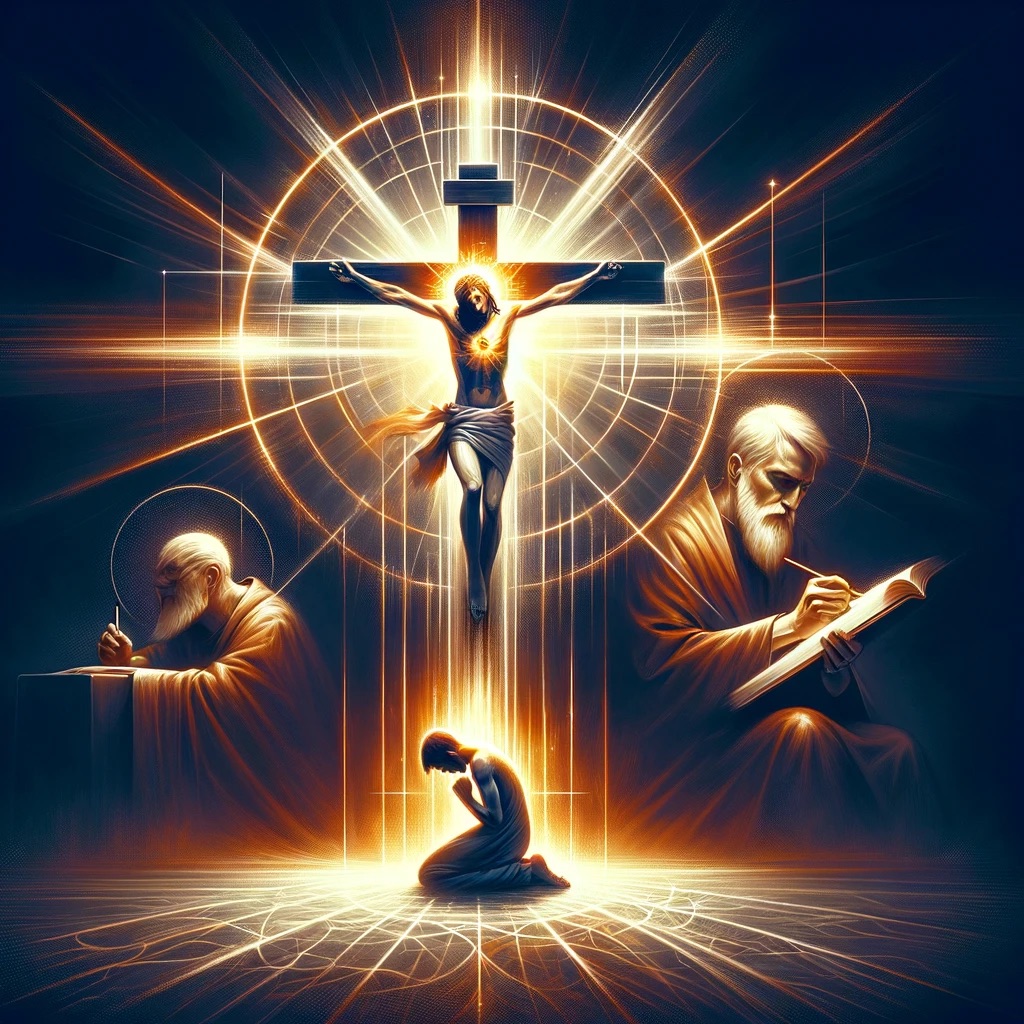
Let your light so shine before men, that they may see your good works and glorify your Father in heaven. (Matthew 5:16, NKJV)
Introduction:
In our last article, we explored understanding our purpose in Christ and how it calls us to be a light in the world. We discussed the foundational concept of reflecting Jesus’ light through our actions. Building on that foundation, we now delve into the deeper concept of sacrificial love as demonstrated by Jesus and the Apostle Paul.
Romans 12:1-2: The Call to Sacrifice
The Lord gave me a deeper understanding of this scripture, which significantly changed my life. Romans 12:1-2 says, “I beseech you therefore, brethren, by the mercies of God, that you present your bodies a living sacrifice, holy, acceptable to God, which is your reasonable service. And do not be conformed to this world, but be transformed by the renewing of your mind, that you may prove what is that good and acceptable and perfect will of God.”
Notice the word “therefore.” This connects to the previous statement in Romans 11:36, indicating that God is all in all and deserves our total submission. This is our reasonable service. Paul pleaded with the people by the mercies of God, reflecting the truth that God’s plans are better than our own (Jeremiah 29:11). We must present our bodies as living sacrifices, understanding that this isn’t a one-time decision. It starts with a commitment but requires daily follow-through for the rest of our lives.
We Are Not Our Own:
1 Corinthians 6:19-20 reminds us, “Do you not know that your bodies are temples of the Holy Spirit, who is in you, whom you have received from God? You are not your own; you were bought at a price. Therefore honor God with your bodies.” This passage emphasizes that our lives belong to Christ because He bought us with His blood. This truth calls us to sacrifice our desires and embrace His will. Living for Christ means surrendering our plans and ambitions to follow His purpose.
Sacrificial Love Demonstrated by Jesus:
Jesus epitomized sacrificial love. He didn’t just speak about love; He demonstrated it daily. One of the most profound examples is when He washed His disciples’ feet (John 13:14-15). This task, usually reserved for the lowest servant, was performed by Jesus to show His disciples true love and humility.
Moreover, Jesus’ ultimate act of sacrificial love was His crucifixion. He endured unimaginable suffering and death to redeem humanity. John 15:13 states, “Greater love has no one than this, than to lay down one’s life for his friends.” This ultimate sacrifice is the cornerstone of our faith and a perfect example for us to follow.
The Apostle Paul as a Servant:
The Apostle Paul exemplified sacrificial love and service. He often referred to himself as a servant or slave of Christ. In Romans 1:1, he writes, “Paul, a bondservant of Jesus Christ, called to be an apostle, separated to the gospel of God.” The term “bondservant” implies total devotion and submission, often at the cost of personal freedom and comfort.
Paul’s life was marked by countless hardships, including imprisonment, beatings, and constant danger. Yet, he remained steadfast in his mission to spread the gospel. His love for Christ and the church drove him to endure these trials with joy. Philippians 1:21 captures his perspective: “For to me, to live is Christ, and to die is gain.” Paul’s dedication to Christ exemplifies a life of sacrificial love, where personal ambitions are set aside for the greater mission of serving God and others.
Living Out Sacrificial Love in Daily Life:
Selflessness:
True sacrificial love involves putting others’ needs above our own. This might mean sacrificing our time, resources, or even personal ambitions to help others. Philippians 2:3-4 advises, “Let nothing be done through selfish ambition or conceit, but in lowliness of mind let each esteem others better than himself. Let each of you look out not only for his own interests but also for the interests of others.” Selflessness is a daily choice to prioritize the well-being of others, whether through small acts of kindness or significant personal sacrifices.
Service:
Serving others is a practical way to demonstrate sacrificial love. This could be through volunteering, helping a neighbor, or simply being available to listen and support someone in need. Jesus exemplified this in Matthew 20:28: “Just as the Son of Man did not come to be served, but to serve, and to give His life a ransom for many.” Serving others with humility and without expecting anything in return reflects the heart of Christ’s teachings.
Forgiveness:
Forgiving those who have wronged us is a powerful act of sacrificial love. It involves letting go of hurt and resentment, even when it’s difficult. Ephesians 4:32 encourages us, “And be kind to one another, tenderhearted, forgiving one another, even as God in Christ forgave you.” Forgiveness is a testament to the transformative power of love, allowing us to break the cycle of bitterness and embrace healing and reconciliation.
Generosity:
Sacrificial love often involves being generous with what we have, whether it’s our time, money, or talents. 2 Corinthians 9:7 reminds us, “So let each one give as he purposes in his heart, not grudgingly or of necessity; for God loves a cheerful giver.” Generosity is an expression of trust in God’s provision and a reflection of His boundless love for us.
Why We Do Good:
It’s essential to understand that our good deeds are a response to God’s love and grace, not a means to earn them. When we do good, we are reflecting the nature of Christ. Jesus went about doing good and healing all who were oppressed by the devil (Acts 10:38). His fame spread because of the good He did and the miracles He performed. Similarly, our actions can reflect Jesus’ love and light to those around us.
God as the Ultimate Author:
Letting Christ shine through us means we must sacrifice our earthly desires to take up His desires. We were not made for ourselves but for Him. Just as an author writes a book according to their vision, or an architect designs a house with a specific plan, or an artist creates a painting with an intended image, God is the author and finisher of our faith (Hebrews 12:2). He is our life sustainer, the life giver, and He already had a plan for our lives before we were even born (Jeremiah 1:5).
Conclusion:
Sacrificial love is at the heart of the Christian life. By following the examples set by Jesus and Paul, we can learn to live selflessly and serve others with genuine love and humility. This kind of love is transformative and can have a profound impact on those around us.
Call to Action:
Reflect on how you can demonstrate sacrificial love in your life. What are some specific actions you can take to help others and reflect Jesus’ love? Commit to one act of sacrificial love this week and see how it impacts those around you.
Stay tuned for our next blog in this series: “Living Beyond Self,” where we explore how to trust God’s plans over our own desires and live a life of selflessness.
—Josh Mullins—



 Faith Works
Leave a comment